

"I would love to have plants at home but I don't have a green thumb", "my home isn't bright enough", "I always forget to water my plants", "I have a cat that loves to scratch my ficus": in short, do you think it's impossible to bring a touch of greenery into your home?
Let's dispel the myths! There are countless plants that require almost no maintenance, little light, and not even much water. You just need to choose them carefully, taking into account the constraints of your home (and your lifestyle).
Discover all our tips for choosing the right houseplants without too much effort in this article.

First of all, why have plants in your home?
Because they make an interior feel alive, warm and welcoming
Houseplants bring a warm and welcoming touch to a room. They add vibrancy, in short, a bit of life to your home! Whether a simple green plant or flowering plants, they always add a beautiful splash of color.
Many plants exist that flower profusely; they can also be climbing plants if the idea of having a living wall crosses your mind. Even some cacti produce flowers. And then there are the flowers themselves, with their fragrance!
Obviously, houseplants bring greenery and freshness to your decor. They are essential elements for a stylish interior. natural style Or Scandinavian, two very dear inspirations Nordlys.
Pots are also decorative objects in their own right. Small or large, made of clay, glazed, or in wicker basket style, there are as many as there are decorating styles!
Because the beneficial properties of plants purify the indoor air
Plants are a simple, effective, and eco-friendly way to purify the air in our homes. In addition to adding greenery, decorating our rooms, and bringing a natural touch, they can reduce or even eliminate indoor pollution. We therefore consider both our health and the environment thanks to air-purifying plants that improve air quality.
Note that only certain houseplants have air-purifying properties. These include:
- Indoor palm trees
- Philodendrons
- Indoor ferns
- Chlorophytums

And if you don't have a green thumb: here are the basics of caring for houseplants.
Now that you're convinced you want to fill your home with plants, you need to choose the right ones. Several factors come into play: exposure, humidity, the size of the spaces, and of course, your personal taste.
Let's start with some basic tips for taking care of your plants.
Watering your plants
Water your plant at least once a week in winter and twice a week in summer. Of course, watering is a delicate balance between too much and too little! A helpful tip: if your plant is underwatered, the surface of the soil will feel dry to the touch. Naturally, adjust your watering frequency to account for extreme temperature changes.
The location of your plants
Find the right room and the right spot for your plant. Depending on the space, your plants will need more or less light and more or less humidity. Each species has its own characteristics, so you must choose them according to where they will thrive. To find out, always read the instructions specific to the variety you have.
Observing your plants
Pay attention to their behavior and adapt your habits if you notice any weaknesses.
Pay close attention to the container you choose. The pot should always be suitable for your plant's growth. Start by placing clay pebbles at the bottom of the pot to facilitate drainage, then add the potting soil and cover with more soil. Don't forget to water it lightly!

Choose houseplants that don't need a lot of water.
Do you tend to forget to water? Fortunately, some plants are more resistant than others.
While shade plants are generally easy to care for, there are some houseplants that require special attention because they are often thirsty.
Conversely, many plants at home need to be watered very sparingly, otherwise they could wilt.
These varieties do not need much water:
- Succulents
- The cactus
- Aloe vera
- Le ceropegia
- The zamioculcas or plant
- Mother-in-law's tongue
- The ficus
- Le chlorophytum

Choose houseplants that don't need a lot of sun.
Is your room not very bright? If your house or apartment is rather dark, or you want a plant to brighten up a corner that doesn't get direct light, you can turn to varieties that don't need much sun to grow and survive indoors.
These include:
- The elastic fig
- Le chlorophytum
- Le caladium
- The moonflower
- Aglaonema
- The sansevieria or mother-in-law's tongue
- Le yuka nain
- The dracanea
- The mountain palm
- The pothos
- Ivy
- Le syngonium
Choose the plant that is resistant to the most exposed dry places, such as near a window, doors or radiators.
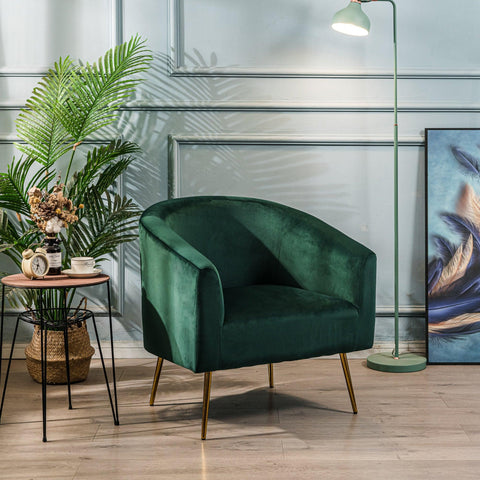
Which plants are best suited to each room in your home?
Let's start with the size of the plants! XXLSmall cacti, climbing plants – depending on the space you have, the possibilities vary. So how do you choose the ideal plant for each room in your house?
Plants in the entrance of the house or apartment
These are high-traffic areas that often lack light. Exposure is frequently limited, so it's advisable to choose plants that tolerate these specific conditions and low light levels.
Also be careful of drafts, which can dry out your plants. It's therefore advisable to choose fairly hardy plants for this room. Opt for large plants next to a pretty one. coat rack or small cacti on a entryway furniture.
Plants in the living room and lounge
These rooms are generally quite bright. They're exactly the kind of space where a touch of greenery is welcome! Since they're often the most spacious rooms in a home, large plants can add a touch of... natural decoration.
A monstera with its beautiful, large leaves, or an indoor palm like the phoenix or Kentia, creates an exotic and welcoming atmosphere. Place them, for example, next to a comfortable rocking chairto create a little "relaxation" corner. And thanks to the large plants, you can define different areas!
Consider green walls with climbing or trailing plants. They make beautiful decorations for a wall or part of a room. At the top of a shelfIt's an excellent way to hide objects you like but that aren't "very pretty".
Also consider dried flower bouquets! On a convenientThese bouquets bring colour and nature to your living space (with virtually no maintenance).
Plants in the kitchen
In the kitchen, plants often receive enough light and humidity to thrive. However, the proximity of the oven, refrigerator, freezer, and stovetop can cause sudden temperature changes. It is recommended to ventilate your kitchen to refresh the air.
Many plants will thrive in your kitchen; consider flowers from forced spring bulbs such as hyacinths and crocuses, or plants with decorative fruits such as cayenne pepper or love apple.
Plants in the bedroom
For the bedroom, avoid plants with strong scents, as these can disrupt sleep. Opt instead for green plants with decorative foliage, such as dracaena, schefflera, and areca palms.
Be careful not to overcrowd your bedroom with plants. It's important to sleep in a clean and uncluttered space.
Plants in the office and library
It is said that green has calming properties and that plants can help with concentration! So here's another reason to have plants in your office.
Think about the little ones shelves and to the ventilation of your library by adding small potted plants or trailing plants. Be careful not to overcrowd the space, though, so as not to distract yourself. Stay focused!
Conclusion
Adding houseplants isn't as difficult as you might think. First, you need to carefully choose the species that are right for your home. Depending on the humidity, light, and space you have available, the plants you need, and their care, will vary.
But it's worth the effort: beautiful plants add a natural and warm decorative touch, and they also help purify the air in your home! So, ready to take the plunge?


