



Wooden headboards
Among all headboards, wooden designs are the ones that stand the test of time best: warm without being overly decorative, they add character to the bed and adapt easily as the bedroom evolves. Yet this seemingly simple choice raises several practical questions: which wood, which shade, which width for your bed, solid wood or cane, with or without storage? This page addresses each of these questions to help you choose a wooden headboard with the right proportions, a coherent fit with your furniture and lasting everyday functionality.
Why choose a wooden headboard?
Wood has become the reference material for dressing the wall behind the bed for two complementary reasons: its immediate effect on the atmosphere and the long-term durability of the choice.
Add depth to the bed with a warm material
Without a headboard, a bed can appear simply placed in the room; with a wooden headboard, it becomes the focal point of the bedroom. The grain, colour and texture of the wood catch the light and add depth to the wall, where paint alone can look flat. This visual warmth directly influences the atmosphere: the sleeping area feels more inviting, more grounded and better suited to rest. It also provides practical comfort: a firm, pleasant backrest for reading or having breakfast in bed, while protecting the wall.
Create a durable base that remains easy to coordinate
Choosing wood means choosing a genuinely neutral foundation: a material that works with every type of bed linen, wall colour and most interior styles. You can change the curtains, rug or colour palette without making the headboard feel out of place. Its structure also ages well: quality wood develops a patina rather than simply wearing out, and basic care is enough to keep it looking good for years. It is the opposite of a trend-led purchase: it is a long-term investment in the bedroom.
Which wood, finish and colour should you choose for your bedroom?
Light wood, natural oak and blonde finishes visually enlarge the room and create a soft, typically Scandinavian atmosphere. This is the most versatile choice, particularly with pale walls and natural fabrics. Walnut and deeper shades add character and understated elegance, especially in spacious bedrooms or principal suites. Solid wood adds material density as well as colour: authentic grain, a sturdy structure and a patina that improves over time. For finishes, favour matt, oiled or discreetly varnished surfaces: they preserve the natural appearance of the wood and coordinate more easily with bed linen. A simple rule for visual consistency is to limit the bedroom to two visible wood species and connect the headboard to an existing piece, such as a bedside table or chest of drawers, through either its colour or its lines.
How do you choose the right size for your bed?
A successful headboard is first and foremost one with the right proportions: if it is too narrow, it appears disconnected; if it is too large, it can overpower the bed.
Visible width, height and compatibility with the bed base
The width should be at least equal to the width of the sleeping surface: 140, 160 or 180 centimetres depending on the bed. A slight extension on each side creates a more generous effect and visually incorporates the bedside tables. For a standard double bed, compare our 140 cm wooden headboards; for a wider sleeping area, our 160 cm wooden headboards naturally frame a 160 × 200 cm bed. Height should be considered in relation to the mattress: the visible section above the bed should remain generous, with at least forty centimetres recommended for a balanced effect. Also check the installation method: wall-mounted, attached to the bed base or freestanding, as each system has its own compatibility requirements. One detail should not be overlooked: mattress thickness. Two identical beds fitted with twenty- and thirty-centimetre mattresses will not leave the same visible headboard height. Always measure from the top of the mattress rather than from the bed base.
Coordinate it with bedside tables and other furniture
A headboard does not stand alone: it interacts with the bedside tables on either side. The simplest combination is to choose wooden bedside tables in a similar shade for an immediately coherent look. Also pay attention to height: bedside tables whose tops align with the mattress naturally extend the lower line of the headboard. A chest of drawers or wardrobe positioned farther from the bed can use a related rather than identical shade. Overall consistency matters more than perfect uniformity.
Solid wood, cane or storage: which headboard suits your needs?
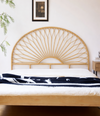
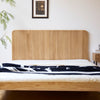
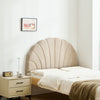
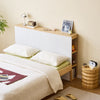
A solid wooden panel is the understated option: a continuous, graphic surface that highlights the material and works with every style. Cane creates a lighter appearance: combined with a wooden frame, it adds texture and transparency in a natural style similar to our rattan headboards. When functionality matters as much as style, headboards with storage incorporate niches and shelves to keep bedside tables clear, a valuable solution in compact bedrooms. When softness is the priority, a fabric headboard provides a cushioned backrest for reading, while wood can be introduced elsewhere in the room. The right choice depends on your main requirement: material, visual lightness, storage or support comfort.
Wood requires little maintenance: dust it regularly with a soft cloth, use a slightly damp cloth for marks and, for oiled finishes, apply maintenance oil once or twice a year to nourish the material. Avoid prolonged direct sunlight, which can alter the colour unevenly, and heat sources positioned too close to the wood. These simple steps are enough to keep a wooden headboard looking good for years, which is precisely what makes it such a sound choice: minimal maintenance for maximum longevity.
Nordlys wooden headboards: natural style and lasting functionality
Nordlys wooden headboards focus on what matters in everyday use: stable structures, natural finishes that protect the wood without concealing its grain, proportions designed for 140 and 160 cm beds, and understated Scandinavian-inspired lines that coordinate easily with the rest of the furniture. Before choosing, keep three points in mind: the exact width of your bed, the visible height you want above the mattress and the wood colour already present in the bedroom. With these three answers, your wooden headboard can become what it should be: the natural and lasting anchor of your sleeping area.


