


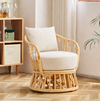


Armchairs
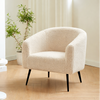
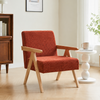
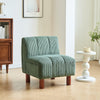
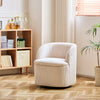
Nordlys’ collection of living room armchairs celebrates a seating piece capable of defining the atmosphere of a space on its own. Designed for the living room, bedroom, office or reading corner, it answers a simple ambition: to combine comfort, decorative expression and functionality in formats suited to every interior. Volumes are chosen for their balance, textures for the depth they bring and colours for their ability to transcend the seasons. Fabric, bouclé, velvet, wood, rattan, cane and metal structures create a coherent decorative vocabulary in which comfort is never separated from style. Each model can therefore become a balancing piece, present enough to structure the space yet understated enough to complement an already lived-in interior. This selection extends our living room universe and reflects a collection conceived as a repertoire of timeless and contemporary silhouettes. When choosing, pay particular attention to dimensions, seating feel, finishes and the care instructions indicated on each product page.
Which armchair should you choose for your use and your room?
This point deserves particular attention, as it influences both aesthetics and everyday use. For this collection, the aim is to combine comfort, decorative expression and functionality in formats suited to every interior. The most considered choices pair fabric, bouclé, velvet, wood, rattan, cane and metal structures with compact, enveloping, swivel or more architectural lines. In the living room, bedroom, office or reading corner, the piece should retain a clear presence, keep circulation fluid and offer a precise balance between height, depth, density and back support. A successful composition is built with few elements, but each should be selected for its material, proportions and ability to interact with light. This disciplined simplicity gives the décor a more enduring and refined character. To extend the composition, also discover our bouclé armchairs.
Living room, reading or occasional armchair
The initial sense of comfort should be considered alongside the support provided throughout use. Look for a suitable seat height, balanced depth, a supportive backrest and well-positioned armrests, then take into account the users’ height and how long they are likely to remain seated. A natural posture and a seat that retains its shape are better indicators than excessive softness. For reading, favour good back support; for relaxation, a more enveloping seat may be preferable. You can also discover our Scandinavian armchairs.
Compact, swivel or enveloping format
Proportions should serve everyday use as much as aesthetics. Check the width, depth and height, then visualise daily movement around the piece. Fluid circulation remains essential, particularly in a compact room. The best choice combines ergonomics, dimensions and frequency of use rather than relying on a single aesthetic criterion. In the same family, explore our terracotta armchairs.
How can you assess the comfort of an armchair?
Comfort lies in the way the body is supported, not simply in an impression of softness. A precise balance between height, depth, density and back support should allow a relaxed posture while reading, talking, resting or using the chair as occasional seating. A well-angled backrest supports without restricting; correctly positioned armrests relieve the shoulders; balanced cushioning helps prevent the seat from sagging too quickly. Enveloping shapes provide a more intimate feeling, while straighter lines often encourage a more upright posture. To choose precisely, consider the users’ height, the amount of time spent seated and whether a cushion or footstool may be added. Within the same decorative palette, explore our corduroy armchairs.
Seat height, depth and back support
Dimensions are the first criterion for a successful fit. Measure the available width, usable depth and the clearance required to sit down and stand up naturally. For seating paired with a table, the height should allow the legs to fit comfortably beneath the top; for an armchair or pouf, the depth should match the posture you are looking for. Marking out the footprint on the floor with masking tape can help you appreciate its true impact. A well-proportioned piece feels neither too small nor oversized: it establishes the right relationship with the architecture, the surrounding furniture and circulation. As exact measurements vary by model, the product page remains the final reference before ordering. To extend the composition, also discover our modular armchairs.
Padding, density and armrests
The density of the padding influences both the initial feel and how well the seat retains its shape over time. Foam that is too soft may lack support, while a very firm seat is often better suited to shorter periods of use. Armrests should support the forearms without lifting the shoulders and should leave enough room to sit naturally. Also compare the usable width between the armrests, not only the armchair’s overall width. To complement this selection, discover our rattan armchairs.
What dimensions should you allow for comfortable circulation?
In an interior where every square metre matters, the quality of a piece of furniture is also measured by the space it allows to breathe. Compact, enveloping, swivel or more architectural lines help preserve sightlines and avoid an accumulation of legs, backs or bulky volumes. Before choosing, observe the main circulation routes, door openings and the distance to the table, sofa or wall. An elegant space does not depend on the quantity of furniture, but on effortless movement and precisely balanced proportions. By choosing an appropriate format, the room feels more spacious and the seat integrates naturally, whether it is used every day or moved according to need. To create a coherent ensemble, pair this selection with our cane armchairs.
Fabric, bouclé, velvet, rattan or cane: which material should you choose?
The choice of material determines both the visual character and the tactile experience. Here, fabric, bouclé, velvet, wood, rattan, cane and metal structures make it possible to create atmospheres that are more graphic, enveloping or natural. The texture of a textile, the grain of wood and the open weave of cane each interact differently with light and with the presence of the armchair. Look closely at the consistency of the finishes, the durability of the upholstery, the quality of the stitching and the harmony between the structure and the seat. Natural, deep, terracotta or brighter tones are easy to incorporate into a balanced interior. The right choice combines visual pleasure, everyday comfort and care requirements compatible with your lifestyle. Within the same decorative palette, explore our interior styling and decorating advice.
How can you integrate an armchair into the living room, bedroom or reading corner?
Position the armchair according to its main use: near the sofa to create a conversational setting, beside a lamp for reading, or in the bedroom to create a quiet place to sit. Keep a clear passage around the base and avoid obstructing a door or window. A rug, side table and focused lighting are enough to define the area without multiplying decorative objects.
Nordlys armchairs: design, comfort and everyday functionality
Choosing armchairs comes down to finding the right balance between comfort, footprint and style. For reading, favour good back support; for relaxation, a more enveloping seat may be preferable. Check the product page to confirm the dimensions, composition and care instructions of your chosen model.
Choosing from our living room armchairs means favouring a piece whose elegance is rooted in balanced proportions and coherent materials. In the living room, bedroom, office or reading corner, it accompanies reading, conversation, relaxation or occasional seating with a precise relationship between height, depth, density and back support. Nordlys champions a vision of furniture in which functionality recedes behind a sense of natural ease: clear lines, tactile textures and a presence designed to endure visually. Compare formats, finishes and colours to find the model that best complements your space, your light and the way you live.